

The Investment Structure That Multiplies Returns Without Multiplying Risk.
Two independent income streams. One property. When one slows, the other holds. Together they produce above-market returns that neither could generate alone.
One property. Two revenue engines. Neither dependent on the other.
Land development and conservation have been treated as opposing forces for as long as the real estate industry has existed. Developers build. Conservationists protect. Separate worlds, separate frameworks, separate definitions of what land is worth.
Land Equity Partners was built on a different premise. We bridge the gap between development and conservation. Through our mission of Conscious Stewardship, we bring people and nature back in sync. Firms operating in only one of these worlds are leaving the most valuable part of every deal on the table.
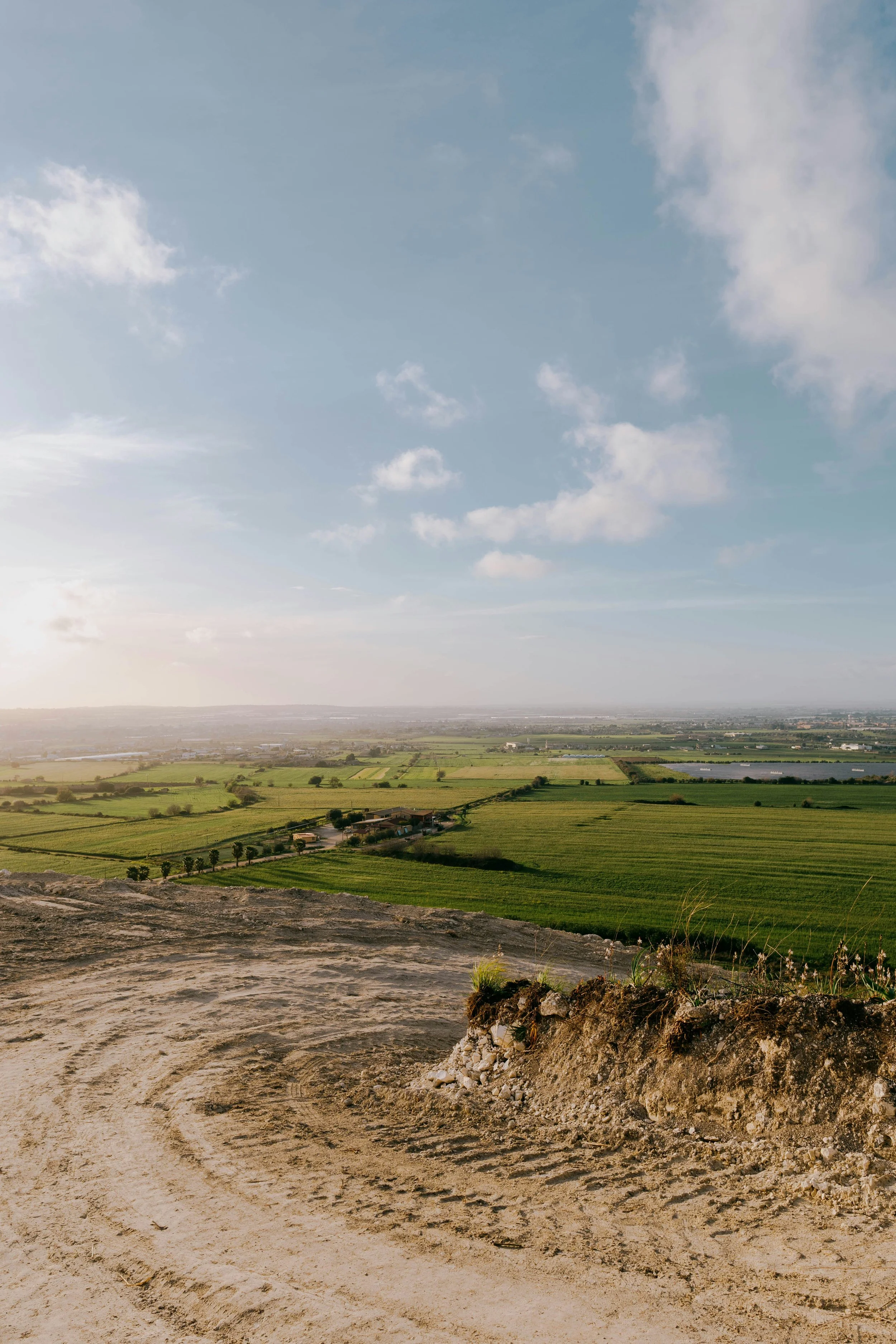
Development and Conservation Are Not Two Businesses. They Are One Strategy.
When LEP evaluates a property, two analyses are run simultaneously. The first: what can be developed here? The second: what conservation value is intrinsic to the land and how can it be monetized? Most developers only focus on the first. Most conservation firms only focus on the second. LEP runs both. This intersection is where the extraordinary value lives.
Development generates market-driven returns tied to population growth and demand.
Conservation generates regulated income backed by a layered framework of federal, state, and local environmental policy, sold to buyers who are required to purchase regardless of market conditions. These two models complement and support each other.
That is not a coincidence. This is intentional design.
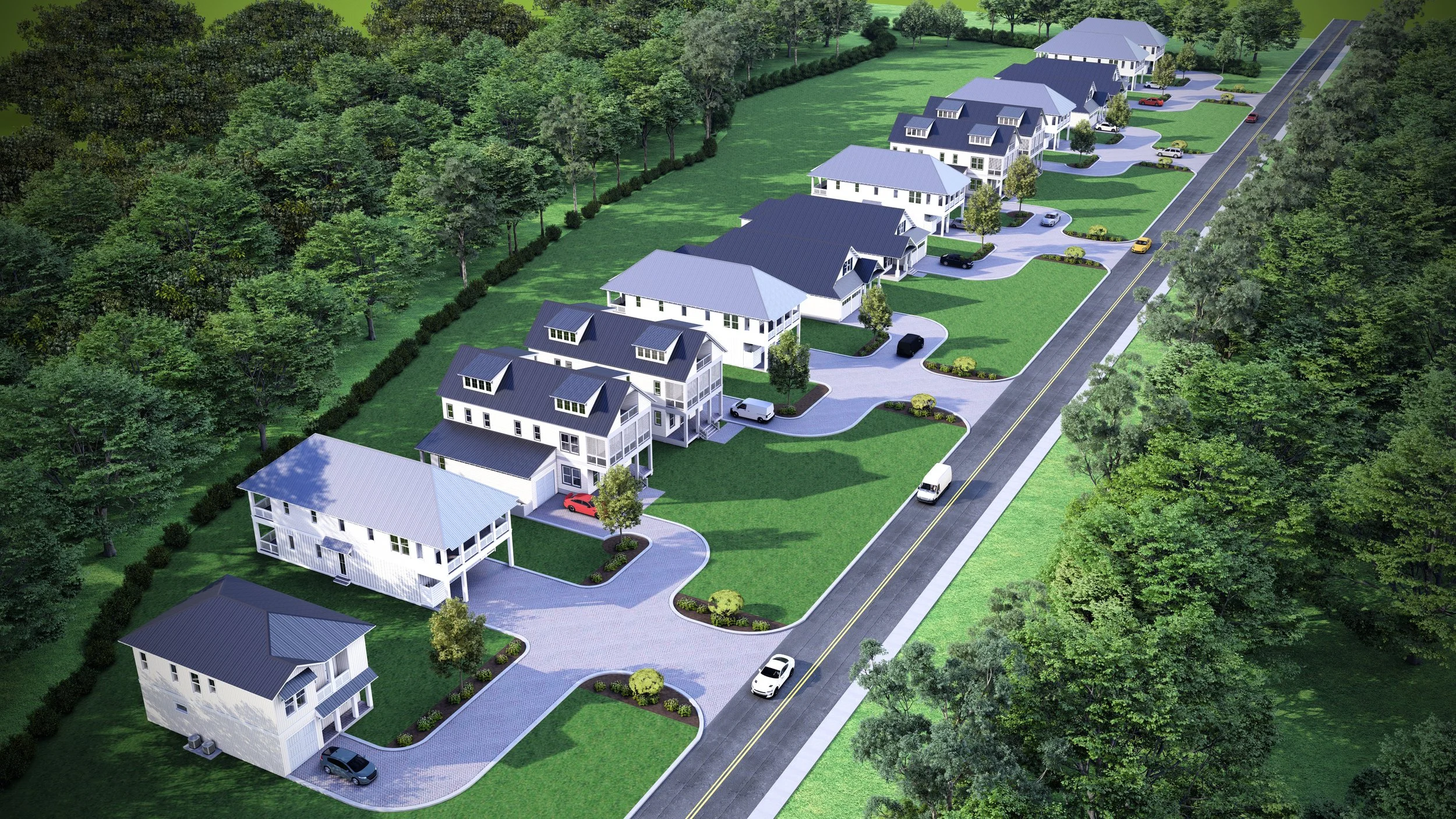
Not Every Property Qualifies. Here Is What We Look For.
The model only works when the property can support both sides of it. Every opportunity is evaluated through a proprietary three-part framework before any commitment is made.
The geographic, topological, and political setting that determines whether demand supports the development side.
Market
The land composition — vegetation, hydrology, habitat, and topography — that determines what conservation strategies are viable.
Makeup
The federal and state regulatory frameworks that apply and which can generate monetizable conservation credits.
Policy
When all three align, LEP moves forward. When they do not, we pass. That discipline is what protects the model across every deal in the portfolio.
Our Model Cannot Be Built Without Both Sides.
To execute both sides simultaneously at a professional level, you need two things almost never found in the same firm.
With decades of master-planned development, permitting, and capital structure experience. Someone who has moved projects from raw land to delivered product hundreds of times. That is Edwin Stanford.
A licensed engineer…
with deep expertise in wetland ecology, habitat, and the interagency permitting process for mitigation banks. Someone who has personally guided more than a dozen banks through federal and state approval. That is Jonathan Napier.
And a credentialed environmental scientist…
Together they see what others miss. The development opportunity and the conservation value, at the same time, on the same land. Sixty years of combined experience that took two lifetimes to build.
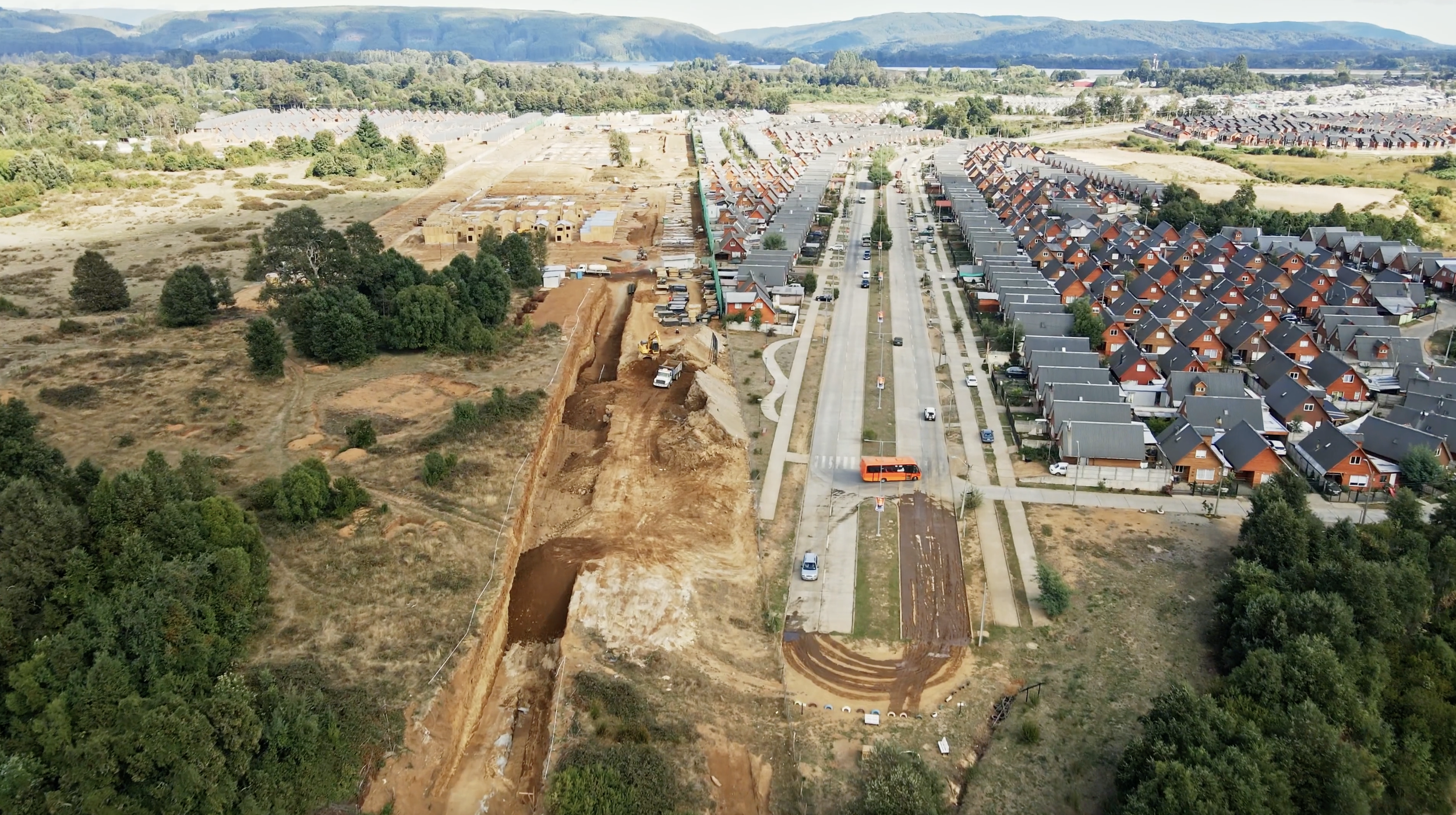
Most investors see a piece of land. We see two income streams, a conservation strategy, and a return no traditional firm can match.
-
On a well-selected property they do not compete. The wetland-rich sections unsuitable for construction become the conservation bank. The upland sections with infrastructure access become the development project. The selection framework identifies those boundaries before the investment is made.
-
Mitigation banks are established through a permitting process coordinated through the Army Corps of Engineers and state agencies. Once approved, credits are sold to developers and government agencies offsetting their impact on protected natural resources. Buyers must purchase from a bank within the geographic service area where their impact occurs, which gives well-positioned banks a degree of market exclusivity.
-
LEP works across wetland mitigation credits, stream mitigation credits, nutrient load offsets, and species credits including gopher tortoise recipient site designations. The mix depends on what the land supports and what the regulatory environment in that market demands.
-
The general expectation is two to six years for the active investment period. Investors may have the option to roll proceeds into additional portfolio opportunities. LEP establishes perpetual management on conservation assets, creating post-sale revenue participation for select partners.
-
Yes. Several projects in the current portfolio are JVs with landowners, capital partners, or co-development firms. Structures are evaluated project by project and typically involve equity participation in a development, capital partnership on a conservation bank, or both.
Questions About the Model, Answered.
The Model Is the Differentiator.
The Portfolio Is the Proof.
Every project in the LEP portfolio is an application of this model. The thinking behind every acquisition is the same: see the full picture, evaluate both sides, and build a strategy that makes the land perform at its highest potential.
If you are a serious investor who wants to understand current opportunities, reach out. If you own land and want to know whether it qualifies, reach out. The assessment is honest. And if there is a fit, we will both know it quickly.